Commercial Auto Insurance
A business vehicle loss is rarely “just a vehicle problem.” It’s missed appointments, delayed deliveries, employee downtime, contract requirements, and the uncomfortable moment when a customer asks what you’re doing to make it right. Commercial auto insurance is meant to keep revenue-moving vehicles on the road, protect your balance sheet from liability, and reduce the operational chaos that follows a crash, theft, or claim dispute. This page makes the risks concrete, explains how commercial auto behaves under stress, and helps you compare options without hidden gaps.
Start your commercial auto quote now
Get options built around real-world business disruption (crashes, cargo loss, theft, injury liability, hired/non-owned exposure) and choose coverage that won’t surprise you during a claim.
What actually hurts a business after a commercial auto loss
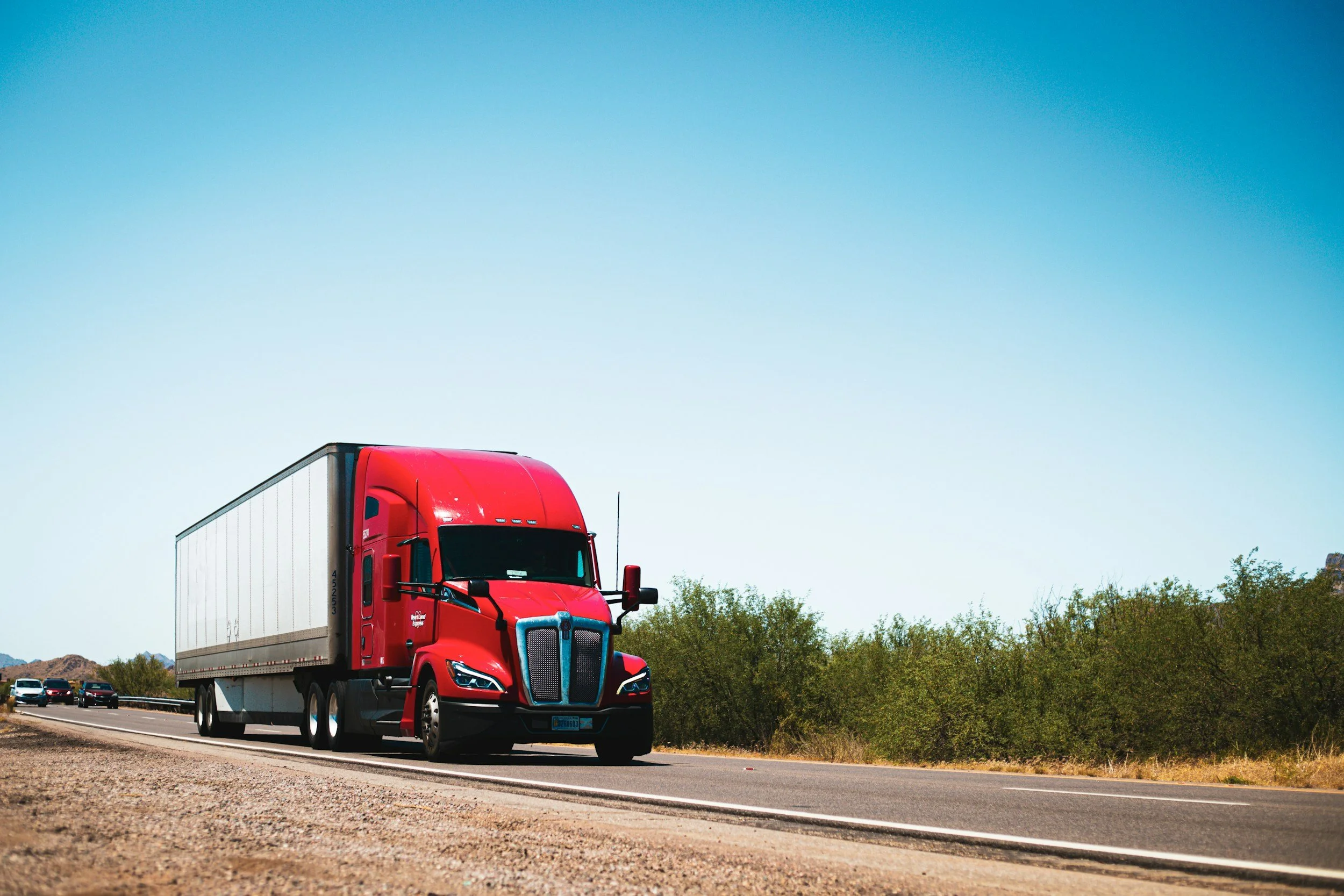
Commercial auto losses have a way of spreading. The crash is one event; the disruption is a chain: injuries, lawsuits, missed work, upset customers, replacement vehicles, contract compliance, and claims friction. These are the scenarios that most often turn into expensive, drawn-out operational pain.
Injury severity and lawsuit exposure
Commercial driving often means more miles, heavier vehicles, and higher stakes—one injury claim can exceed “comfortable” limits quickly.
Property damage beyond “a fender bender”
Poles, storefronts, parked vehicles, and jobsite damage can turn a minor moment into a major invoice—especially with heavier work vehicles.
Downtime: the hidden revenue killer
If the vehicle is a tool of production (delivery, service calls, hauling), time off-road can cost more than the repair bill.
Hired & non-owned auto gaps
Employees driving personal cars, rentals, or subcontractors can create liability where businesses least expect it—especially off-site.
Theft, vandalism, and jobsite losses
Tools, ladders, and equipment attract attention. A break-in can shut down a crew even if the vehicle itself is still drivable.
Contract requirements and certificate pressure
Many businesses don’t buy commercial auto “for fun.” They buy it to keep contracts, satisfy vendors, and avoid project delays.
How commercial auto coverage behaves when something goes wrong
Commercial auto is less about “a car” and more about business use: who is driving, what they’re doing, what vehicles are used, and what your contracts require. The goal here is not to push one perfect setup. It’s to show the mechanism: how coverage decisions show up during an accident, a claim investigation, or a certificate request.
Vehicles, drivers, and business use: the three anchors
Commercial auto typically ties coverage to a mix of vehicle scheduling (which vehicles are included), driver permission (who can drive), and business use (what the vehicle is used for). A contractor’s pickup, a florist’s delivery van, and a contractor hauling a trailer can look similar—yet rate and coverage can behave differently.
This is why two quotes can look “close” but respond differently in a claim: the details that feel like paperwork—listed vehicles, stated usage, driver info, garaging, and endorsements—become the decision tree when an incident happens. This is general information and not legal or coverage advice for any specific business.
Claims and compliance: what happens next in real life
In real life, commercial auto losses create two parallel pressures: (1) the claim process (reports, statements, investigation, estimates, repair/replacement), and (2) business continuity (keeping crews moving, replacing vehicles, documenting compliance for customers, and handling customer relationships).
The practical question business owners care about is straightforward: “If a vehicle goes down or someone is injured, how quickly can we stabilize the situation—and what gaps could blow up into a dispute?” That’s why endorsements like hired/non-owned liability, physical damage choices, towing/roadside, and rental/temporary substitute options matter.
If you want help comparing quotes so you’re not accidentally comparing different vehicle symbols, different endorsements, or different liability limits, call 1-833-339-1186.
If you’d rather start online, you can check your quote in minutes.
¿Hablas español? Llámanos.
Common business shorthand (translated into what the policy will actually do)
People shop commercial auto using quick phrases. That’s normal. The goal is to make sure the shorthand matches the contract requirements and the claim reality.
“Any auto”
Often refers to broad coverage eligibility for vehicles used in the business (commonly discussed as “symbols”). It can matter a lot when you add, swap, rent, or borrow vehicles.
“Hired & non-owned”
Common shorthand for liability tied to rentals or employee-owned vehicles used for business. It’s frequently the gap businesses discover after an off-site incident.
“We only have one truck”
Fleet size doesn’t cap liability severity. A small business can still have a high-severity injury claim, especially with heavy vehicles or frequent driving.
Common misunderstandings (and the practical clarification)
Commercial auto is where assumptions get expensive. The main risk is thinking business driving behaves like personal driving in a claim—or that “being small” means “being safe.”
“My personal auto policy covers me when I’m working.”
People assume a vehicle is covered as long as they’re insured.
Business use can change coverage expectations.
Delivery, hauling, jobsite travel, transporting tools, or carrying customers can materially change risk. The policy should match how the vehicle is actually used.
“Employees using their own cars isn’t my problem.”
Businesses assume liability stays with the driver’s personal policy.
Business liability can still attach.
If an employee is driving for work, a claim can point back to the business. This is where hired & non-owned liability is often relevant.
“If we’re not a ‘trucking company,’ we don’t have serious exposure.”
People link severity only to big rigs and interstate freight.
Severity can come from everyday businesses.
Service vans, contractors, landscapers, delivery routes, and any business with regular road time can face serious injury claims—even with light vehicles.
“A certificate of insurance means we’re ‘approved’ for the job.”
COIs feel like a stamp of completeness.
A COI is proof of coverage, not proof of perfect fit.
Contracts can require specific limits, additional insured language, and endorsements. The smart move is aligning coverage to the contract before there’s a dispute.
“The cheapest policy is fine—we just need to check a box.”
Businesses treat coverage as paperwork until something happens.
Cheap often means narrower or less flexible.
When you add vehicles, hire drivers, rent, borrow, or expand use, the details become the claim outcome. The goal is protecting operations, not just satisfying a form.
Want to sanity-check what a quote is actually saying in plain terms?
Call 1-833-339-1186.
¿Hablas español? Llámanos.
Frequently Asked Questions
These are general answers to common questions. Details vary by state, carrier, industry, vehicle type, and business operations.
If you want to talk with a licensed agent about options and pricing, call 1-833-339-1186.
¿Hablas español? Llámanos.
What’s the difference between personal auto and commercial auto?▼
Do I need commercial auto if I only have one work vehicle?▼
Does commercial auto cover employees driving their own vehicles for work?▼
What liability limits should a business carry?▼
Does commercial auto cover tools and equipment in the vehicle?▼
What if I use a personal vehicle sometimes for business errands?▼
Can I get proof of insurance (COI) quickly for a contract?▼
What are “symbols” and why do they matter?▼
Will a claim affect pricing at renewal?▼
What related options do businesses ask about most?▼
Get started
Start online, or call to speak with a licensed agent about options and pricing.
¿Hablas español? Llámanos.
Related options people ask about
These come up because vehicle losses can disrupt jobs, schedules, payroll, customer relationships, and contractual obligations.
Hired & non-owned liability
Addresses liability arising from rentals or employee-owned vehicles used for business, which can otherwise become an unexpected gap.
Liability limits and umbrella coordination
Businesses often raise auto liability limits and coordinate with umbrella/excess coverage to protect against severe injury claims.
Downtime planning: rental and temporary substitutes
Helps keep operations moving when a vehicle is in the shop, replaced, or temporarily unavailable after a covered loss.
Additional resources
Want to go deeper? These guides expand on common commercial auto concepts and the situations businesses face before and after a claim.
Commercial auto vs personal auto
How business use changes claims, pricing, and what “covered” means.
Hired & non-owned liability explained
What it often addresses, when it matters, and how businesses get surprised without it.
Fleet growth: adding vehicles and drivers safely
What to update when you hire, expand routes, add trailers, or start using subcontractors.
Claims: what businesses should expect
Reporting, investigation, repair timelines, COI pressure, and how to reduce disruption after a loss.