Inland Marine Insurance
Inland marine insurance is one of the least intuitive coverages because the name sounds like boats and oceans—but the real purpose is protecting valuable property that moves, gets transported, or lives “off premises” in ways a basic property policy may not handle cleanly. This page is here to make the risk concrete, show what typically creates claim friction, and help you quote without accidentally leaving the most important items to assumption.
Start your inland marine quote now
Get options built around real-world loss scenarios (transport, theft, accidental damage, and off-site use) and choose coverage that won’t surprise you later.
What actually disrupts your life after a portable-property loss
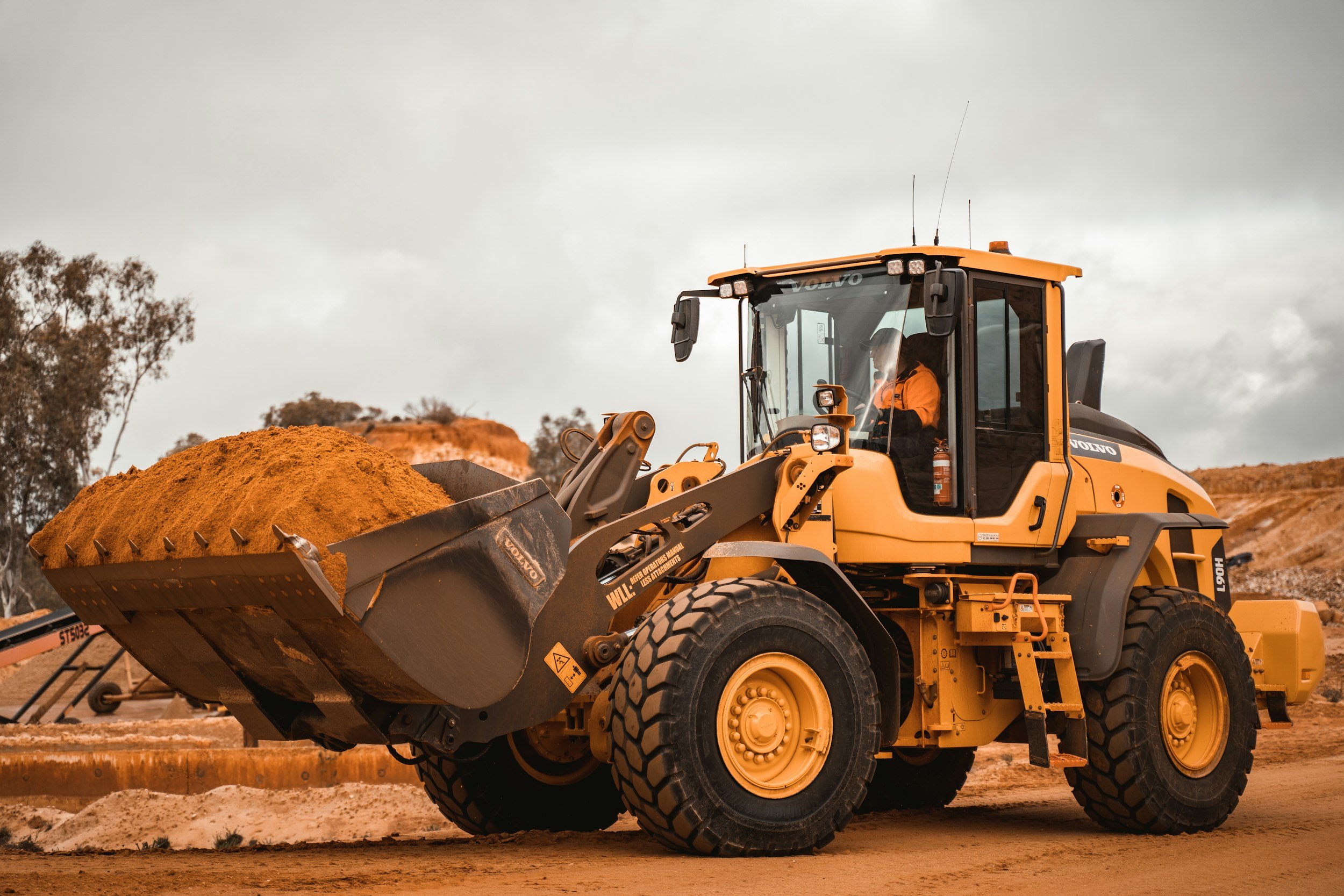
Inland marine claims aren’t “stuff problems.” They’re business interruption, lost time, replacement logistics, and sudden proof questions: what exactly was covered, for how much, and under what conditions. These are the scenarios that most often turn into expensive, drawn-out disruption.
Transportation and loading/unloading losses
Damage during transit, while carried, or while being loaded can fall into a gray zone if coverage isn’t built for “moving property.”
Theft away from the insured location
Vehicles, job sites, hotel rooms, and client premises are common loss points. The key question is whether the policy follows the property.
Accidental damage that “isn’t a fire”
Drops, spills, impact, and mishandling are the everyday losses people actually experience with valuable portable items.
Documentation and valuation friction
The hardest part isn’t always the loss—it’s proving what the item was, what it was worth, and whether it was scheduled or included in a blanket limit.
Scheduled vs blanket: how inland marine is structured, and why that changes claim outcomes
Inland marine coverage is often less about “do you have insurance” and more about how the property is listed, valued, and limited. The goal here is not to push one structure over another. It’s to explain the mechanism and the real-world experience so you’re not surprised.
Scheduled items vs blanket limits (and what each is trying to solve)
“Scheduled” coverage typically means specific items are listed with a description and value, so the policy is very clear about what’s insured and for how much. “Blanket” coverage typically groups categories of property under a single limit, which can be simpler when you have many items that rotate or change.
This is why two quotes can look “similar” but behave differently in a claim: one may pay well for a single high-value item that’s scheduled, while another may rely on a blanket limit that’s easier to manage but can be constrained by sublimits, per-item caps, or category definitions. This is general information and not a recommendation for any specific policy structure.
What creates claim friction: proof, limits, and “where it was when it happened”
In real life, inland marine claims often hinge on documentation. For scheduled items, the question is usually: “Is this the listed item, and is the loss consistent with covered causes?” For blanket coverage, the question often becomes: “Is this item in the covered class, and do sublimits, per-item caps, or exclusions change the amount payable?”
The practical question most people care about is not abstract: “If it disappears, breaks, or gets stolen while I’m using it off site, how quickly can I replace it, and will the policy treat it like the valuable item it is—or like a vague ‘miscellaneous’ loss?”
If you want help comparing options so you’re not accidentally comparing different listing methods, values, or per-item caps, call 1-833-339-1186. If you’d rather start online, you can check your quote in minutes.
Common terms people hear (translated into what you should verify)
With inland marine, the risk isn’t “not knowing insurance vocabulary.” It’s assuming the vocabulary implies coverage that isn’t actually present. These translations are designed to tell you what to check in the quote.
“Floater”
Usually means coverage that follows property beyond a single location. Verify whether it covers theft, accidental damage, and what locations/uses are included.
“Scheduled”
Typically means the item is individually listed. Confirm the description is specific enough, the value is accurate, and whether valuation is replacement cost or actual cash value.
“Blanket limit”
Usually means one limit applies to a category. Confirm per-item caps, sublimits by class, and whether certain causes of loss (like “mysterious disappearance”) are included or restricted.
Common misunderstandings (and the practical clarification)
Inland marine is where “I’m sure it’s covered” turns into a denial letter—mostly because the item wasn’t described, valued, or limited the way the policy expects. The safest approach is treating it like engineering: define the property, define the exposure, then match the form to the reality.
“My homeowners / renters policy covers my expensive stuff anywhere.”
People assume a property policy automatically follows valuable items off premises with full value protection.
Off-premises coverage is often limited and item-specific.
High-value property can run into sublimits, exclusions, or narrow causes-of-loss definitions. Inland marine is often used to intentionally broaden and clarify how portable property is covered.
“If it’s stolen, it’s stolen—coverage is coverage.”
People treat theft as a single category with no claim nuance.
Theft details and proof requirements can matter.
Coverage can vary based on location, forcible entry, documentation, and whether the item is scheduled or part of a category with sublimits. The claim experience improves when the policy matches how the item is actually used and stored.
“If I don’t drive it, I don’t need to insure it.”
For portable property, people confuse “use frequency” with “loss severity.”
Frequency can drop while severity stays high.
A single loss can be financially significant even if the item is used rarely. Inland marine is often severity management for items that are expensive, specialized, or hard to replace quickly.
“I’ll just tell you what it’s worth if something happens.”
People assume valuation is flexible after the fact.
Valuation works best when it’s defined before a loss.
Receipts, appraisals, schedules, and clear descriptions reduce disputes and speed up settlement. The goal is aligning the policy’s valuation method with what replacement would actually cost.
“Blanket coverage means everything is covered automatically.”
People hear “blanket” and assume unlimited item-by-item protection.
Blanket limits can include sublimits and per-item caps.
Blanket coverage can be excellent—but it’s only as good as the category definitions, sublimits, and caps. The right question is: “Will this policy pay what I think it will for my most expensive single item?”
Want to sanity-check what a quote is actually saying in plain terms?
Call 1-833-339-1186.
¿Hablas español? Llámanos.
Frequently Asked Questions
These are general answers to common questions. Details vary by state and carrier.
If you want to talk with a licensed agent about options and pricing, call 1-833-339-1186.
¿Hablas español? Llámanos.
Why is it called “inland marine” if it’s not about boats?▼
What kinds of property are commonly covered?▼
What’s the difference between scheduled and blanket coverage?▼
Does it cover theft anywhere?▼
Does it cover accidental damage like drops or spills?▼
What does “mysterious disappearance” mean?▼
Is the item covered for replacement cost or actual cash value?▼
Do I need receipts or an appraisal?▼
Is inland marine only for businesses?▼
What related options do people ask about most?▼
Get started
Start online, or call to speak with a licensed agent about options and pricing.
¿Hablas español? Llámanos a 1-833-339-1186.
Related options people ask about
These come up because the loss isn’t just the item—it’s downtime, replacement delay, and a scramble to prove value when you need a quick answer.
Scheduling and documentation
How to list items, what details matter (serial numbers/photos), and what proof reduces claim friction later.
Valuation approach
Replacement cost vs actual cash value vs agreed value—how each affects settlement when the item is specialized or volatile in price.
Off-premises and transit scope
Where the policy follows the property, what “in transit” really includes, and whether temporary locations are treated as covered premises.
Additional resources
Want to go deeper? These guides expand on common terms and scenarios people run into when insuring property that moves or is used off site.
Scheduled vs blanket coverage
What each structure is designed to solve—and how to avoid accidental per-item caps.
Valuation: replacement cost vs ACV vs agreed value
How settlement language affects real dollars when markets are volatile or items are specialized.
Theft, disappearance, and proof
What changes when an item goes missing without clear evidence—and how to reduce claim friction.
Claims: what typically happens next
Reporting, documentation, settlement timelines, and the questions people don’t expect.