
Earthquake Insurance
Earthquake loss isn’t “a crack in the wall.” It’s structural movement, hidden damage, displacement, and a repair process that can become slow and expensive fast. Earthquake insurance exists to turn a rare, high-severity event into a solvable problem—by paying for covered damage that standard property policies often exclude. This page makes the risk concrete, highlights where claim headaches come from, and gets you quoting quickly.
Start your earthquake quote now
Compare options built around real-world earthquake losses (structure movement, masonry damage, foundation shifts) and choose coverage that won’t surprise you later.
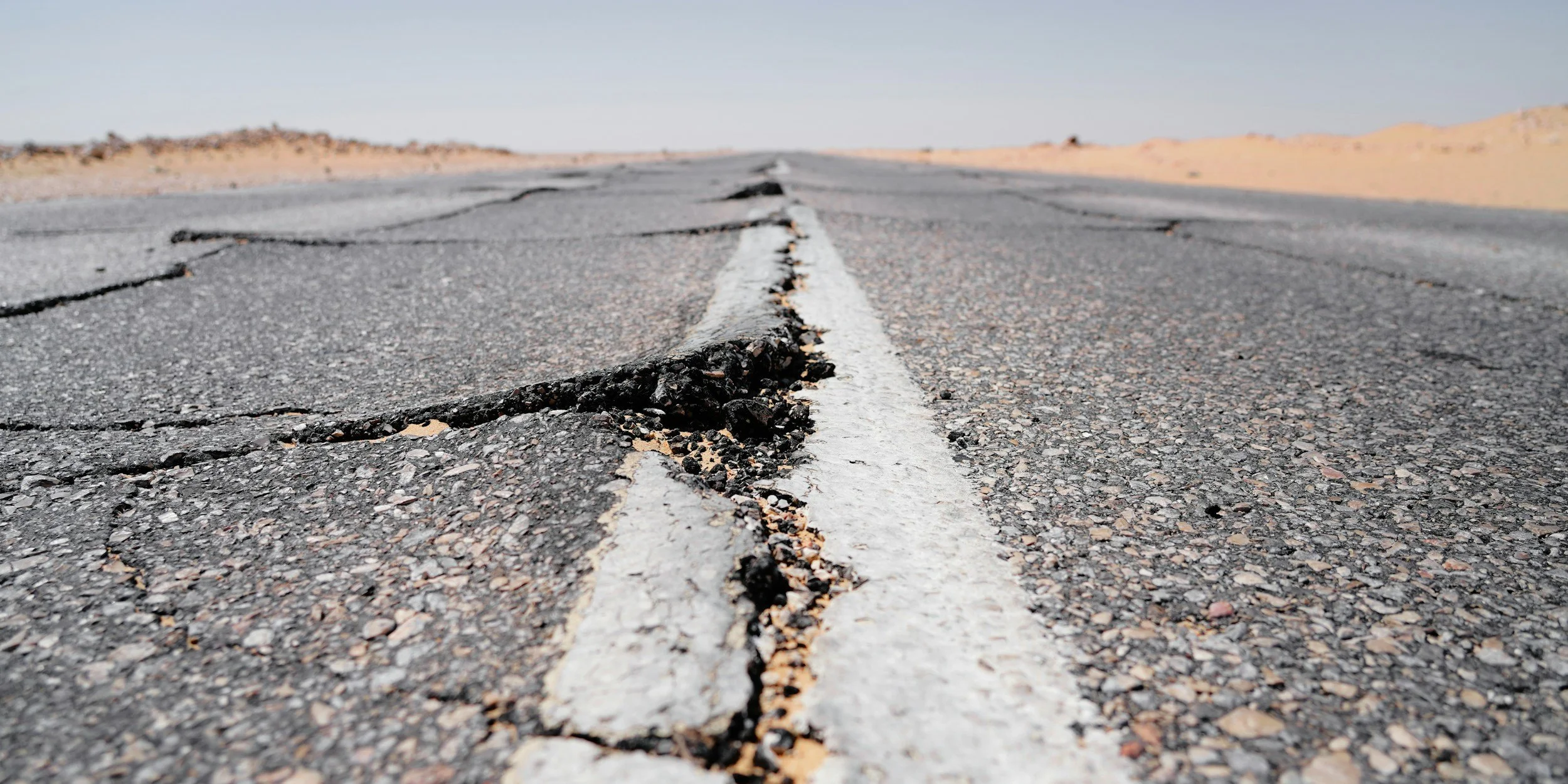
What actually disrupts your life after an earthquake loss
Earthquake losses aren’t just “repairs.” They can involve structural movement, safety concerns, specialized inspections, and a repair market that gets overwhelmed quickly. These are the scenarios that most often turn into expensive, drawn-out disruption.
Structural movement and framing shifts
Even when a home is still standing, movement can create hidden damage that drives major repair scope and long timelines.
Foundation cracks and settlement issues
Foundation damage is expensive and complicated—often requiring engineering evaluation, permits, and specialty contractors.
Masonry, chimneys, and exterior failures
Brick, stone, stucco, and chimneys can crack or detach—creating both repair costs and safety hazards that must be addressed fast.
Displacement and temporary living costs
If the home isn’t livable, the “secondary” costs—housing, meals, storage—can become the biggest disruption.
Earthquake deductibles: why they feel different (and how to sanity-check them)
Earthquake deductibles are often higher than people expect—and they’re commonly expressed as a percentage, not a flat dollar amount. The goal here isn’t to push anyone toward a specific deductible. It’s to explain how they’re commonly structured so you can compare quotes accurately.
Percentage deductibles and “which coverage bucket” they apply to
In many earthquake policies, the deductible is a percentage tied to a coverage amount (often the dwelling limit), rather than a flat dollar figure. For example, a “10% deductible” doesn’t mean 10% of the repair bill in an abstract sense—it usually means 10% of a specified coverage limit.
Earthquake coverage also tends to be split into buckets (often dwelling, personal property, and loss of use). When you compare quotes, the key is understanding what limit each bucket has and how the deductible applies. This is general information and not a recommendation for any particular deductible level.
What happens when the deductible meets the inspection and repair reality
Earthquake claims often begin with safety questions and specialized evaluation: engineers, structural inspections, and detailed scope work. That process can make the deductible feel “bigger,” because the out-of-pocket amount is often significant before covered payments begin.
The practical question most homeowners care about is simple: “If there’s real damage, how much am I paying before insurance helps, and how does that affect my ability to start repairs quickly?” That’s also why displacement and living-expense planning matters—because the loss can disrupt housing, not just drywall.
If you want help comparing quotes so you’re not accidentally comparing different deductibles or coverage buckets, call 1-833-339-1186.
If you’d rather start online, you can check your quote in minutes.
¿Hablas español? Llámanos.
Common shopper assumptions (translated into what the policy will actually do)
Earthquake is where vague assumptions turn into expensive surprises. These are a few of the most common “sounds-right” statements—and what they usually miss.
“My homeowners policy covers earthquakes.”
Most standard homeowners policies exclude earthquake damage. Earthquake coverage is typically separate—either a dedicated policy or a specific endorsement.
“I only need it if my house collapses.”
Many costly earthquake losses are partial: foundation cracking, chimney failure, or structural movement that makes a home unsafe or expensive to stabilize.
“If there’s damage, insurance just pays.”
Outcome depends on deductible structure, coverage limits, what’s excluded, and whether the damage is within the policy’s definition of covered earthquake loss.
Common misunderstandings (and the practical clarification)
The main risk with earthquake insurance is thinking you’re protected because you “have a policy,” without knowing what the deductible, limits, and exclusions will do when a claim happens.
“Earthquake insurance covers the foundation automatically.”
People assume “structure” always includes everything below the house.
Foundation-related coverage details matter.
What’s included can depend on policy form, definitions, and exclusions. Clarify how foundation damage is treated and whether any special limits apply.
“A 10% deductible isn’t that bad.”
People read it like a normal deductible without converting it into dollars.
Percentage deductibles can be a large out-of-pocket amount.
Convert the percentage into dollars against the relevant limit so you know what you’d actually pay before coverage begins.
“My coverage is the same as my homeowners dwelling limit.”
People assume it “matches” automatically.
Earthquake limits can be selected differently.
Earthquake policies often allow different limit structures, and rebuilding cost assumptions can differ. Align limits with real rebuild exposure, not just a familiar number.
“My personal property will be covered like normal.”
People forget earthquake is often its own “bucket.”
Contents coverage may be optional or limited.
Verify whether personal property is included, what the limit is, and whether items like breakables have special treatment.
“Loss of use isn’t relevant—I’ll just stay with family.”
People underestimate how long repairs can take.
Displacement is a major part of severity.
Even if you have a temporary option, the timeline, storage, and extra costs add up. Check whether loss of use is included and how it’s capped.
Want to sanity-check what a quote is actually saying in plain terms?
Call 1-833-339-1186.
¿Hablas español? Llámanos.
Frequently Asked Questions
These are general answers to common questions. Details vary by state and carrier.
If you want to talk with a licensed agent about options and pricing, call 1-833-339-1186.
¿Hablas español? Llámanos.
Does homeowners insurance cover earthquakes?▼
What does an earthquake deductible mean?▼
Does earthquake insurance cover the foundation?▼
Is personal property included?▼
What is “loss of use” for an earthquake claim?▼
How is earthquake damage evaluated?▼
Will minor cracking be covered?▼
Why can two earthquake quotes look very different?▼
Is earthquake insurance worth it if earthquakes are rare here?▼
What related options do people ask about most?▼
Get started
Start online, or call to speak with a licensed agent about options and pricing.
¿Hablas español? Llámanos a 1-833-339-1186.
Related options people ask about
These come up because earthquake losses aren’t just “damage”—they can create displacement, long repair timelines, and large out-of-pocket costs if coverage is misfit.
Loss of use / additional living expense
People ask what happens if the home isn’t livable and they need temporary housing during repairs.
Deductible percentage choices
Higher deductibles can lower premiums, but may require substantial cash before coverage begins.
Contents coverage
Helps replace or repair personal property affected by a covered earthquake loss, depending on policy structure.
Additional resources
Want to go deeper? These guides expand on common terms and scenarios homeowners run into before and after an earthquake loss.
Earthquake coverage: what it is (and what it usually isn’t)
How earthquake protection differs from homeowners coverage and where exclusions typically live.
Earthquake deductibles (percent vs dollars)
How to convert deductible percentages into a real out-of-pocket number you can plan around.
What makes earthquake insurance expensive?
How location, building type, deductible structure, and limits drive pricing differences.
Claims: what typically happens after an earthquake
Inspections, engineering questions, repair timelines, and the documentation homeowners don’t expect.