Offroad vehicles
ATV's, dirtbikes, snowmobiles—these machines are built for terrain, not traffic, and that changes what “a claim” looks like. Trailering, storage, theft risk, rollover injuries, and riding in places where help is far away can turn a small incident into a big disruption. This page is here to make the risks concrete, show what typically causes claim headaches, and get you quoting fast.
Start your quote for off-road vehicles
Get coverage built around real-world off-road risks (theft, rollover, injury liability, trailer transport) and choose limits that won’t surprise you after an accident.
What actually disrupts your life after an off-road loss
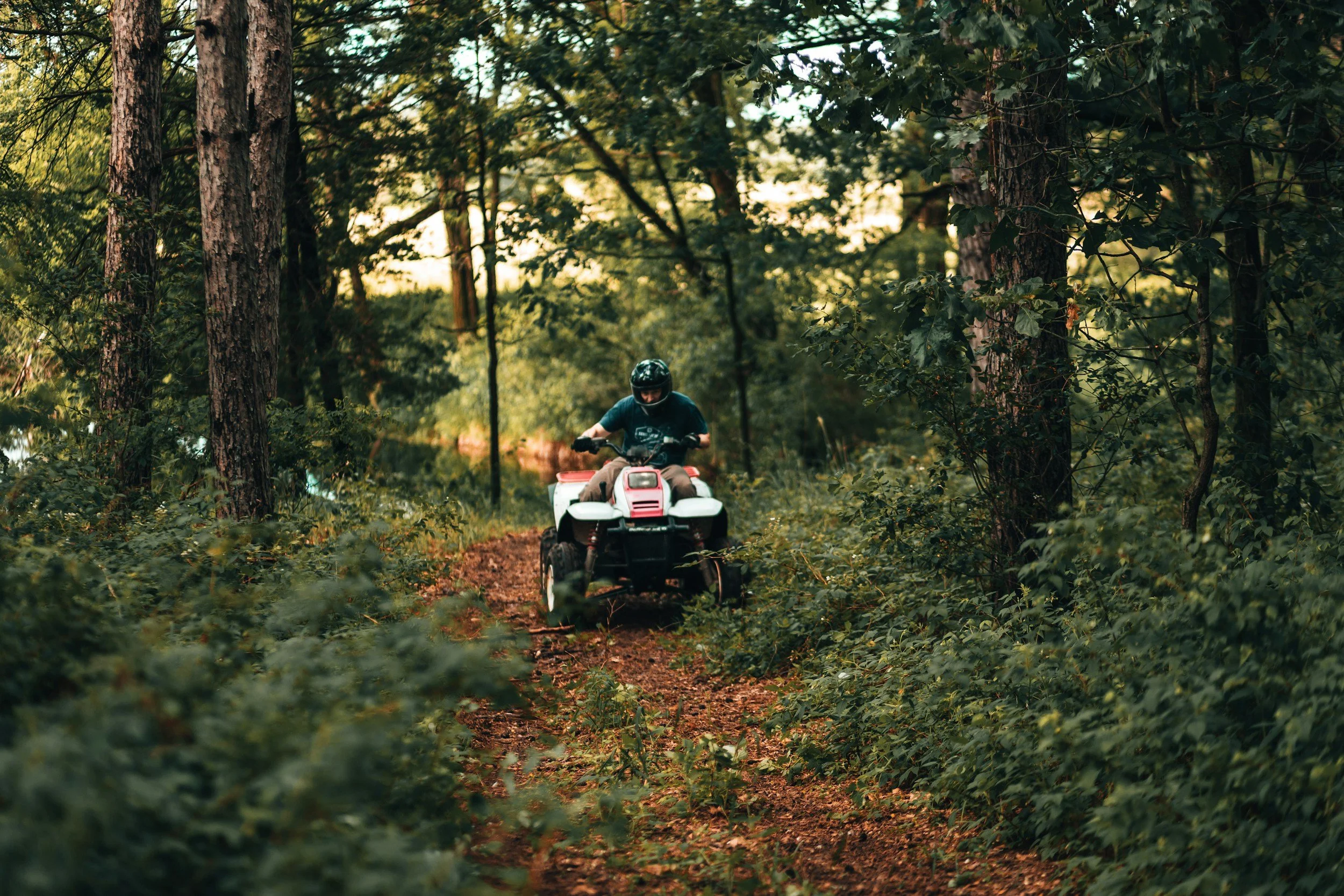
Off-road claims aren’t “toy problems.” They’re medical, logistics, liability, and a damaged machine that may be your weekend, your hobby, or your family tradition. These are the loss scenarios that most often turn into expensive, drawn-out disruption.
Rollover injuries and passenger exposure
Rollovers and impacts can create serious medical bills fast—especially when you’re riding far from immediate help.
Liability for injuries and property damage
Accidents can involve other riders, landowners, fences, parked vehicles, or trail equipment—liability is where the big numbers live.
Theft from garages, trailers, and trailheads
ATVs and sleds are high-theft targets. Losses often happen during transport or when stored with “good enough” locks.
Recovery, transport, and downtime
The stress isn’t only the damage—it’s getting the machine out, getting home, and repairing it when parts and shops are seasonal.
Physical damage coverage: how it works when you’re not on streets
The biggest misunderstandings in off-road coverage aren’t about “whether it’s insured.” They’re about when the policy responds: stored vs used, trailering vs riding, and how deductibles and limits behave when the loss includes recovery and transport. The goal here is to explain the mechanism and the real-world experience so you’re not surprised.
What physical damage coverage is (and why the “where” matters)
Physical damage coverage is about repairing or replacing your ATV, dirt bike, or snowmobile after covered losses. Depending on policy structure, it can include collision-type damage (impact, rollover) and non-collision losses (theft, fire, vandalism, certain weather events). Off-road vehicles often live a two-part life: stored/transported and actively used. Those details can change how a claim is handled.
This is why two quotes can look “similar” but behave differently when something happens: the monthly price is only one dimension, and the deductibles, coverage triggers, and limits determine the out-of-pocket reality. This is general information and not a recommendation for any coverage level.
What a real off-road claim feels like: recovery, timelines, and cash flow
Off-road claims often include logistics: getting the machine out of a remote area, towing or hauling, documenting what happened, and finding the right repair path. In many situations, the thing you care about is not abstract: “How quickly can we recover it, what will I pay immediately, and how soon can it be fixed?”
That’s also why storage and transport details matter. Many losses happen at trailheads, in trailers, or in garages—not necessarily on a ride. If your setup includes an enclosed trailer, aftermarket upgrades, or expensive gear, you want to make sure the policy approach matches your actual exposure.
If you want help comparing quotes so you’re not accidentally comparing different deductibles, different valuation approaches, or different “use” assumptions, call 1-833-339-1186.
If you’d rather start online, you can check your quote in minutes.
¿Hablas español? Llámanos.
Common shopper terms (translated into what they really mean off-road)
People shop in shorthand. That’s normal. The goal is to make sure the shorthand lines up with what the policy will do when tested—especially when the vehicle isn’t used on public streets.
“Full coverage”
Usually means liability + physical damage coverage. It doesn’t automatically mean high limits, coverage for upgrades, or coverage for gear and trailers.
“My homeowners covers it”
Sometimes limited, sometimes not at all. The answer depends on what the vehicle is, how it’s used, where it’s stored, and what coverage is actually written.
“I’m not on the road, so liability doesn’t matter”
Off-road incidents can still create large injury or property claims—especially with passengers, other riders, or landowner property involved.
Common misunderstandings (and the practical clarification)
Off-road vehicles are where assumptions get expensive. The main risk is thinking these machines behave like “just another vehicle” in a claim when storage, transport, use type, and upgrades change the exposure.
“If it’s not street-legal, it’s basically uninsured.”
People assume coverage only exists for vehicles that get registered and driven daily.
Off-road coverage is its own category.
Many carriers offer policies designed for ATVs, dirt bikes, and snowmobiles. The key is matching the policy structure to how you store, transport, and use the machine.
“Homeowners will cover theft or damage automatically.”
People assume “it’s on my property, so it’s covered.”
Property policies may be limited, excluded, or not built for this.
Coverage depends on the policy form and the vehicle. If the machine’s value is meaningful, a dedicated policy is often the cleanest way to avoid surprises.
“My upgrades are part of the vehicle, so they’re covered.”
People treat aftermarket work as “just the way it is now.”
Mods and accessories often need to be addressed intentionally.
Suspension kits, tracks, wraps, performance parts, and custom setups can change repair cost and valuation. If you’ve invested in the build, don’t leave it to assumption.
“It’s only used a few times a year, so the details don’t matter.”
Lower frequency feels like lower risk.
Frequency can drop while severity stays high.
Theft, trailer losses, and a single injury incident can still be financially significant. Low mileage doesn’t automatically mean low exposure.
“If the trailer is fine, the vehicle inside is fine.”
People assume transport is “not really driving.”
Transport creates its own set of loss scenarios.
Straps fail, ramps slip, theft happens at stops, and damage can occur during loading/unloading. If trailering is part of your routine, make sure your overall coverage stack addresses it.
Want to sanity-check what a quote is actually saying in plain terms?
Call 1-833-339-1186.
¿Hablas español? Llámanos.
Frequently Asked Questions
These are general answers to common questions. Details vary by state and carrier.
If you want to talk with a licensed agent about options and pricing, call 1-833-339-1186.
¿Hablas español? Llámanos.
Do I need insurance if I only ride on private property?▼
Does this cover theft from a garage or trailer?▼
Does insurance cover passengers and injuries?▼
Is a dirt bike insured the same way as an ATV?▼
Can I insure aftermarket parts and accessories?▼
Will my policy cover riding in another state?▼
What about riding on frozen lakes or in the backcountry?▼
Does my trailer need separate insurance?▼
How quickly can I get proof of insurance?▼
What related options do people ask about most?▼
Get started
Start online, or call to speak with a licensed agent about off-road vehicle options and pricing.
¿Hablas español? Llámanos.
Related options people ask about
These come up because off-road incidents don’t just damage machines—they disrupt weekends, travel plans, and budgets, and they sometimes involve serious injuries.
Higher liability limits
Off-road incidents can involve passengers and other riders; people ask how much protection they actually have if someone is injured.
Deductible choices
Higher deductibles can lower premiums, but change how much cash you need immediately after theft or a damage claim.
Accessory coverage
People ask about upgrades: tracks, winches, custom suspension, helmets/gear, and whether those are covered or need to be scheduled.
Additional resources
Want to go deeper? These guides expand on common scenarios riders run into before and after a loss.
10 ways to save on your auto premium in 2026
What's new, what's still the same, and how you can take advantage of it.
Liability off-road: the exposures people underestimate
Passengers, other riders, and landowner property—where the big claims come from.
Mods and valuation: don’t leave it to assumptions
How upgrades, accessories, and scarcity affect claims and settlement.
Claims logistics: recovery, towing, and repair timelines
What typically happens next when the machine isn’t near a road or a shop.