RV And Trailer Insurance
RV and trailer losses rarely feel like “vehicle problems.” They’re lodging problems, trip-cancellation problems, storage problems, and sometimes liability problems—plus the scramble to replace the specific gear you brought because a normal suitcase would never cut it. This page is here to make the risks concrete, show what typically causes claim headaches, and help you quote fast without accidentally leaving gaps that only show up when you’re a thousand miles from home.
Start your RV or trailer quote now
Get options built around real-world disruption (accidents, theft, weather, liability, and campsite mishaps) and choose coverage that behaves the way you expect when you’re traveling.
What actually goes wrong with RVs and trailers after a loss
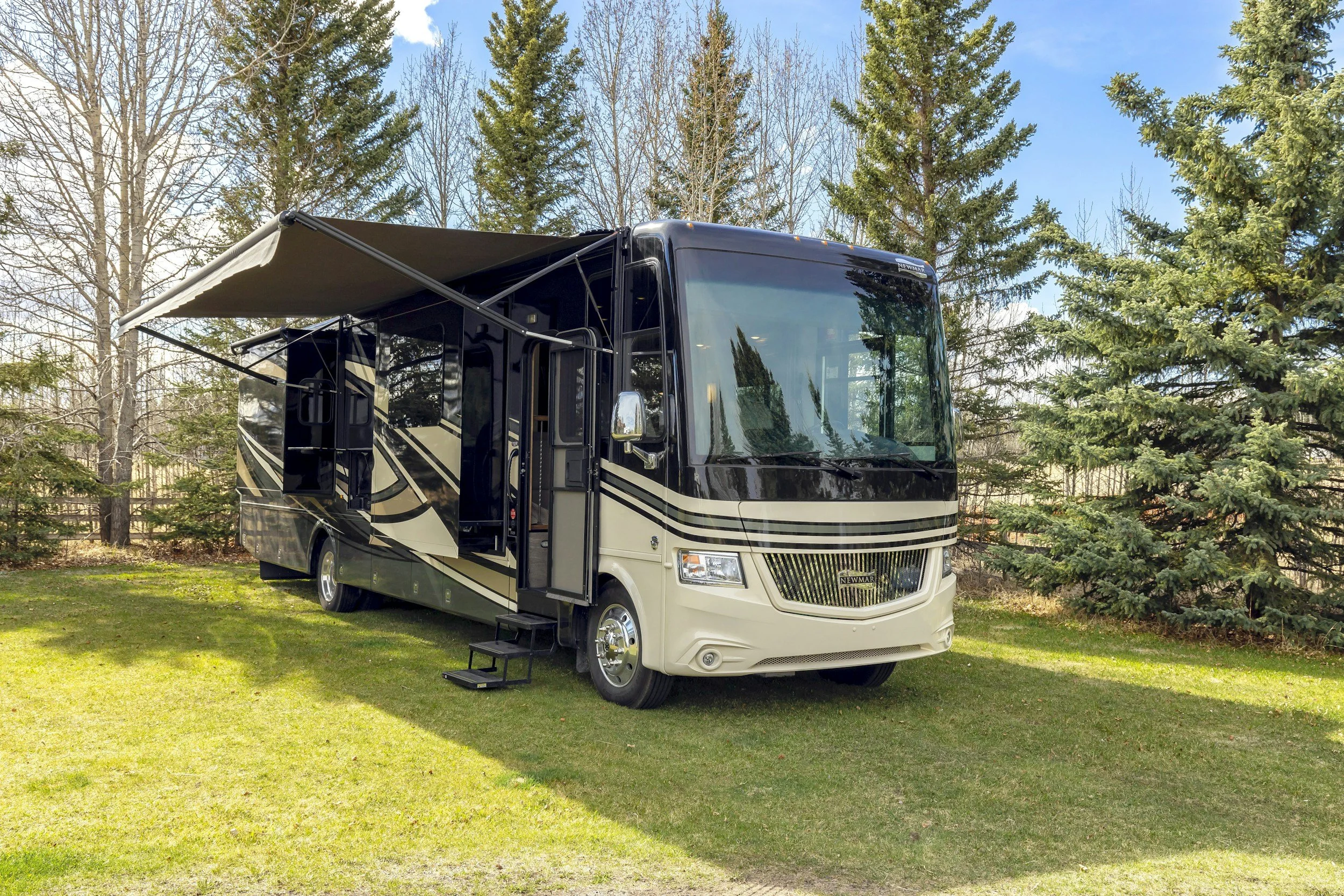
RV and trailer claims can involve more moving parts than a standard auto loss: specialized repairs, gear and contents, “where will we stay tonight,” and sometimes liability tied to living space, not just a vehicle. These are the scenarios that most often turn into expensive, drawn-out disruption.
Weather damage and water intrusion
Hail, wind, falling branches, and roof leaks can create slow-building damage that’s expensive to repair and hard to “dry out” correctly.
Theft and break-ins (rig or contents)
Trailers and stored RVs can be targeted. The loss isn’t only the unit—it’s tools, gear, electronics, and the stuff you packed for the trip.
Liability at the campsite or on the road
Injury or property damage can happen while parked, while setting up, or while driving. The question is which policy responds, and how limits stack.
Loss that strands you away from home
Towing, specialized repair shops, parts delays, and lodging needs can become the real cost. A claim can turn into a logistics problem fast.
What “RV and trailer insurance” is actually doing in the background
RV and trailer coverage can be surprisingly modular: physical damage to the unit, liability (especially for RVs), contents/gear, and sometimes an “away-from-home” style of personal liability for vacations or full-time use. The goal here is to explain the moving parts so you can compare quotes that will behave similarly when tested.
The main layers: unit damage, liability, and the stuff inside
Many RV and trailer policies can include protection for damage to the unit itself (often the part people focus on first). For RVs that are driven, liability is often a central component—because injuries and property damage are where losses can exceed “normal” numbers fast. Then there’s the part many people forget: the contents. Gear, tools, electronics, outdoor equipment, and trip-specific items can create real exposure.
This is why two quotes can look “similar” but feel completely different during a claim: the monthly price is only one dimension, and the coverage for liability, contents, and disruption costs changes the lived experience. This is general information and not a recommendation for any specific coverage level.
Full-time use, vacations, and “away-from-home” liability
If the RV is used as living space—full-time or for long trips—the risk starts to look less like “vehicle-only” and more like a hybrid of vehicle and home life. That can bring in questions about personal liability while parked, guest injuries, and the kinds of claims that happen around a living space rather than a roadway. Some policies are designed specifically to address that reality.
The practical question many RV owners care about is not abstract: “If something goes wrong while we’re traveling—damage, theft, or a liability incident—what responds, and what will we have to pay or manage right away?” That’s also why towing, roadside, and lodging-type disruption topics matter: a loss can create a shelter problem, not just a repair invoice.
If you want help comparing quotes so you’re not accidentally comparing different structures (unit-only vs unit + contents + liability), call 1-833-339-1186.
If you’d rather start online, you can check your quote in minutes.
¿Hablas español? Llámanos.
Common shopper terms (translated into what they usually imply)
People shop in shorthand. That’s normal. The goal is to make sure the shorthand lines up with what the policy will do when tested—especially when “vehicle,” “contents,” and “personal liability” can overlap in confusing ways.
“Full coverage”
Usually means some combination of unit damage coverage plus liability (for RVs). It doesn’t automatically mean contents, vacation liability, or high limits.
“Contents are covered”
Sometimes—and sometimes not. The question is what counts as contents, how limits work, and whether expensive gear needs special attention.
“My auto policy will handle the trailer”
Sometimes for liability while towing, but not necessarily for the trailer’s physical damage or the stuff inside. The split matters during a claim.
Common misunderstandings (and the practical clarification)
RV and trailer insurance is where assumptions get expensive. The main risk is thinking “it’s just like auto” or “it’s just like homeowners” and discovering, during a loss, that neither policy was designed to do the job you assumed it was doing.
“My trailer is covered the same way as my tow vehicle.”
People assume the trailer “inherits” the same protections because it’s attached.
Physical damage to the trailer often needs its own coverage.
Auto insurance may address certain liability scenarios while towing, but damage to the trailer itself—and especially contents—often depends on the trailer/RV policy structure.
“If it’s stored, it’s basically risk-free.”
Storage feels like “nothing can happen because we’re not using it.”
Storage shifts the risk; it doesn’t remove it.
Weather, theft, rodents, vandalism, and unnoticed water intrusion can be the major sources of loss when the unit is parked.
“Contents are covered automatically, like a suitcase.”
People assume everything inside is just part of the loss.
Contents and gear often need intentional limits.
Tools, electronics, outdoor gear, and specialty items can exceed basic assumptions. If contents matter, make sure the policy is designed to cover them the way you expect.
“Full-time use is the same as weekend use.”
People assume the difference is just mileage.
Living exposure changes the liability picture.
If the RV is used as a residence, the risks look more like “home life away from home”—and the right policy structure is about matching that reality.
“Any shop can fix it like a normal car.”
People assume repairs are interchangeable.
Specialized repairs and parts delays are part of the risk.
RVs and trailers often require specialty shops, longer timelines, and specific parts. Coverage fit is about getting back to “right,” not “good enough,” without being stranded.
Want to sanity-check what a quote is actually saying in plain terms?
Call 1-833-339-1186.
¿Hablas español? Llámanos.
Frequently Asked Questions
These are general answers to common questions. Details vary by state and carrier.
If you want to talk with a licensed agent about options and pricing, call 1-833-339-1186.
¿Hablas español? Llámanos.
Do I need separate insurance for a travel trailer or camper?▼
Does RV insurance include liability coverage?▼
What does “full-timer” coverage mean?▼
Are my belongings inside the RV or trailer covered?▼
What kinds of losses are typically considered “comprehensive” for an RV or trailer?▼
Will my policy cover damage while the trailer is being towed?▼
Does storage change what coverage I need?▼
Do leased or financed RVs and trailers require certain coverage?▼
How quickly can I get proof of insurance?▼
What related options do people ask about most for RVs and trailers?▼
Get started
Start online, or call to speak with a licensed agent about options and pricing.
¿Hablas español? Llámanos a 1-833-339-1186.
Related options people ask about
These come up because RV and trailer problems don’t just damage property—they disrupt lodging, transportation, schedules, and sometimes create liability exposure.
Vacation / full-time personal liability
People ask how liability works when the RV is also living space—especially for extended trips or full-time use.
Contents / personal effects limits
Helps cover the gear inside the RV or trailer—where the “real loss” is often the stuff you brought, not only the unit.
Roadside / towing and “stranded” costs
Specialized towing, tire events, and breakdown logistics can be the difference between a delay and a trip-ending disruption.
Additional resources
Want to go deeper? These guides expand on common terms and scenarios RV and trailer owners run into before and after a claim.
Trailer coverage vs tow-vehicle coverage
Where liability may follow the vehicle, where physical damage needs its own structure, and why the split matters.
Contents, gear, and personal effects
What “contents” commonly means, how limits behave, and when higher-value items need attention.
Full-time RV use: what changes
Why living exposure changes liability assumptions and what people mean by “full-timer” structure.
Claims: what typically happens next
Reporting, inspection, specialty repairs, timelines, and the paperwork people don’t expect.